Electrical Safety Tips for Homeowners with Solar
Learn essential safety tips for managing your home solar system. This guide covers electrical precautions, what to avoid touching, and how to ensure safety in emergencies or maintenance scenarios.
Table of Contents
Know Your Solar System's Live Components
Your solar system contains both AC and DC electrical components, which can be hazardous if mishandled. Key components to be aware of:
- DC isolator (usually near the inverter)
-AC breaker in your main DB
- Inverter terminals and wiring
Never attempt to open or inspect live components without a licensed professional. Treat all solar wiring as potentially live, even during a power outage.
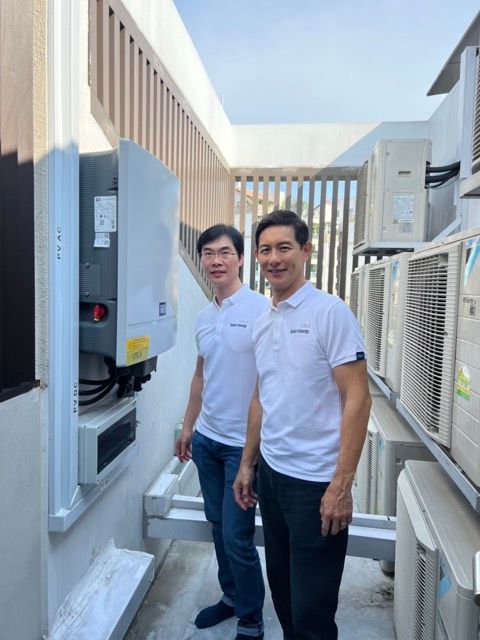
What Homeowners Should Never Touch
Do not touch or open the following unless advised by your solar provider:
-
DC isolator switches (unless instructed for shutdown)
-
Inverter casing or terminal compartments
-
Breakers or fuses linked to your solar circuit
These components may carry high voltage even when your system appears off. Call your installer or LEW for diagnostics or resets.
Shutdown Procedure for Emergencies
In the event of an emergency (fire, flood, storm damage):
-
Turn OFF the AC main breaker in your DB
-
Switch OFF the DC isolator near your inverter
-
Turn OFF the inverter switch, if accessible
-
Evacuate and call emergency services if needed
Only resume operation after a licensed technician has inspected the system.
When to Call a Licensed Electrical Worker (LEW)
Call a licensed LEW immediately if:
-
You smell burning, hear buzzing, or see scorch marks near solar gear
-
The inverter repeatedly trips or displays unusual error codes
-
Water has entered your DB, isolator, or inverter housing
-
You notice loose wires or broken casing on any part of your system
Do not attempt temporary fixes or DIY adjustments as solar faults require certified expertise.
General Safety Maintenance Tips
-
Inspect your system visually every few months for wear or corrosion
-
Ensure inverter and isolators are sheltered from rain and pests
-
Keep a 1-metre clear zone around your DB and inverter
-
Do not allow untrained domestic workers or children near system components
-
Schedule annual servicing by your solar provider or a licensed contractor
Maintaining basic safety practices helps protect your home and extends the lifespan of your solar setup.