What to Do in Case of Solar Panel Damage (Cracks, Fire, or Water Ingress)
Discover what steps to take if your solar panels suffer from physical cracks, fire hazards, or water-related issues. This guide explains how to assess damage, stay safe, and initiate repairs in compliance with Singapore standards.
Table of Contents
Types of Solar Panel Damage You Might Encounter
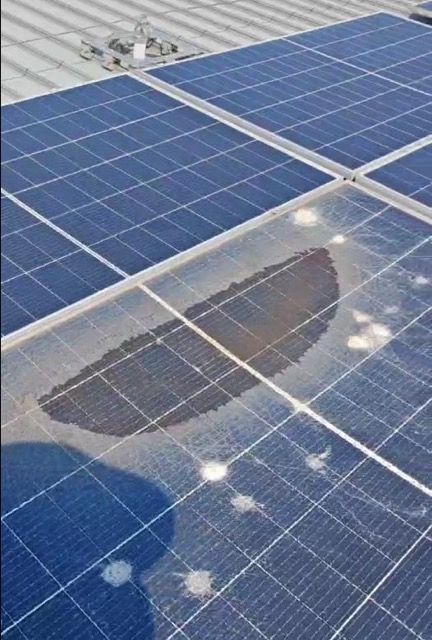
Solar panels can be damaged by external impacts, poor installation, or environmental stress. Common types include:
-
Cracks in glass from falling branches or debris
-
Burn marks or melted areas caused by arc faults or overheating
-
Water ingress from broken seals or faulty installation Each type may pose different safety risks and affect your system’s performance or lifespan.
What to Do Immediately After Spotting Damage
-
Stay on the ground — do not climb up to inspect damage
-
Turn OFF the AC main breaker and DC isolator, especially if you suspect fire or exposed wiring
-
Take photos or video from a safe distance
-
Keep pets and children away from the affected area
For HDB residents with town council–managed systems (e.g. SolarNova), report the issue to your estate officer or town council. Do not touch or inspect the system directly. Do not touch broken panels, frames, or exposed wires under any circumstances.
Signs That Indicate Electrical or Fire Risk
Be alert for:
-
Sizzling, crackling, or buzzing sounds near the inverter or panel
-
Visible flames or smoke around solar junction boxes or isolators
-
Persistent burnt smell near your DB, inverter, or rooftop
-
Circuit breakers tripping repeatedly
These signs suggest a serious issue — contact your solar provider or the SCDF (995) immediately.
Who to Call and What to Report
Contact the following:
-
Your solar installer or maintenance provider
-
A Licensed Electrical Worker (LEW) for formal inspection
-
If necessary, report serious issues to SP Group (1800-778-8888) or EMA
-
For HDB blocks under SolarNova, contact the town council or solar maintenance hotline listed on your building’s maintenance board
When reporting, include:
-
Type of damage (crack, fire, water, etc.)
-
Time and date observed
-
Photos or any video evidence
-
System serial numbers if available
How Damage Affects Warranty and Insurance
-
Manufacturer warranties may cover product defects but not impact damage
-
Workmanship warranties may apply if poor installation caused the failure
-
Some home insurance plans cover rooftop solar panels under fire, storm, or electrical hazard clauses
-
If roof leaks contributed to panel damage, PUB or your building contractor may be involved in insurance reporting or waterproofing investigations
Always check with your installer or insurer before initiating repairs, as unauthorised work may void coverage.
Preventing Future Damage
-
Trim trees and remove debris-prone overhangs near solar arrays
-
Ensure panels are mounted with proper tilt and secure framing
-
Install surge protection devices to minimise lightning-related risks
-
Use bird guards or netting if nesting has been an issue
-
Schedule yearly professional inspections to catch wear early These steps improve system safety and reliability while extending performance lifespan.