Solar Panel Fire Risks – Prevention and Protection
Understand what causes fire hazards in solar systems and how to prevent them. This Singapore-focused guide outlines common risk areas, safety regulations, and protection strategies for both landed and public housing setups.
Table of Contents
Are Solar Panels a Fire Risk?
Solar panels themselves are not highly flammable, but certain components ,like DC isolators, poor wiring, or overloaded circuits, can increase the risk of fire. Improper installation, especially without licensed professionals, can cause electrical arcing or short circuits that lead to fires. In Singapore, compliance with SS 638 electrical standards is mandatory to minimise this risk.
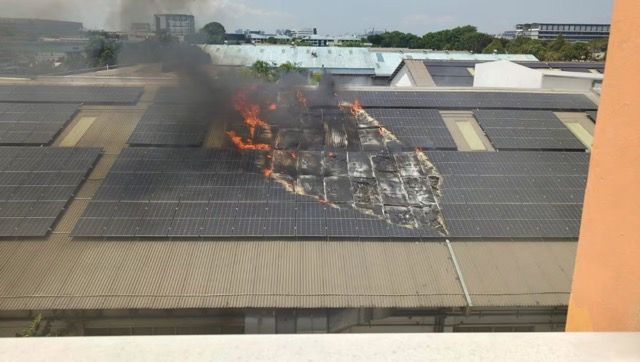
Common Causes of Fire in Rooftop Solar Systems
Fire-related incidents typically come from:
-
Loose or poorly crimped wires inside junction boxes or isolators
-
Cracked or low-quality DC isolator switches (especially under sunlight)
-
Arc faults due to ageing, water ingress, or rodent-damaged cables
-
Underrated breakers or overloaded inverters
-
Non-LEW installations or DIY alterations without inspection
Regular maintenance and using certified professionals reduce these risks dramatically.
Fire Safety Tips for Homeowners
-
Install fire-resistant cable conduits and isolators with IP66 or better rating
-
Label all switches, isolators, and circuit breakers clearly
-
Mount your inverter and DC box in shaded, ventilated areas (not in direct sun)
-
Do not modify your system after installation — call your LEW or installer
-
Have your system serviced at least once a year to detect hidden heat or fault risks
What to Do if You Smell Burning or See Smoke
-
Do not attempt to inspect the roof or inverter directly
-
Immediately turn OFF the main AC breaker and DC isolator if safe
-
Evacuate the home and call SCDF at 995
-
Alert your solar provider and LEW after the area is safe
-
Take note of any inverter screen messages, smoke origin, and system behaviour before and after the event
Guidelines for HDB Residents and Town Council-Managed Systems
If you live in an HDB flat with a government-managed solar system:
-
Do not access any part of the system yourself
-
Report all signs of smoke, smell, or visible damage to your town council or estate officer
-
The system is managed under SolarNova or a related scheme
Fire-related risks are handled via HDB-approved contractors and SCDF Town council teams are trained to coordinate shut-off and post-incident repair reporting.