Earth Leakage Circuit Breaker (ELCB)
A complete guide to understanding and addressing Earth Leakage Circuit Breaker (ELCB) trips in residential solar systems. Tailored for Singapore homes, this guide covers causes, safety checks, reset procedures, and when to contact a professional.
Table of Contents
What is an ELCB in a Solar System?
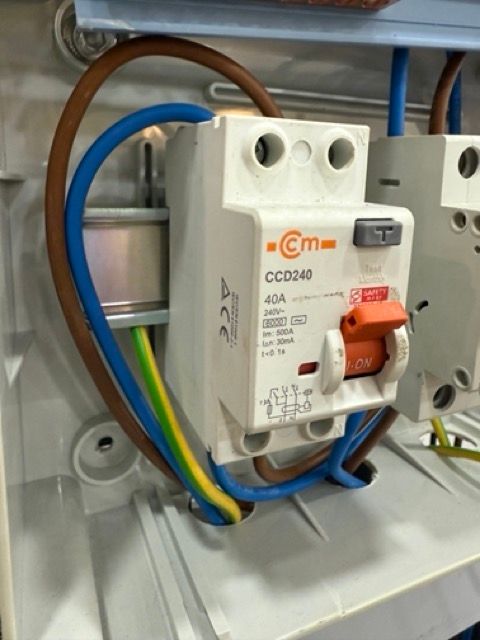
An Earth Leakage Circuit Breaker (ELCB) protects people from electric shocks by detecting leakage currents that may result from faulty insulation or water exposure. In a solar setup, the ELCB monitors the AC circuit and trips when it detects even a small leakage to earth.
This is crucial in Singapore’s humid environment where moisture-related faults are common. It complements the MCB, which protects against overloads and short circuits.
What Happens When an ELCB Trips?
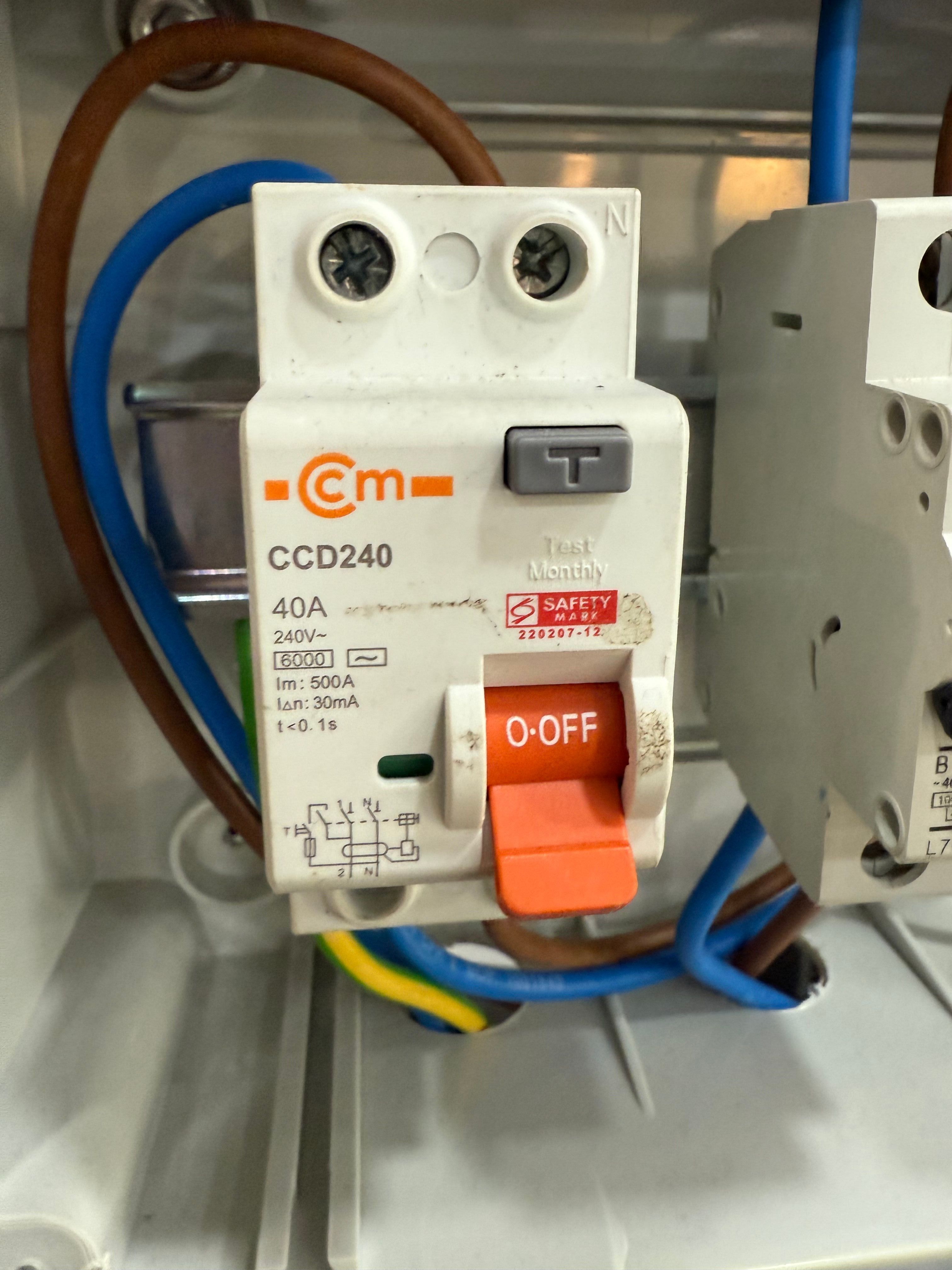
When an ELCB trips, it cuts off electricity to the entire circuit it protects. This is a critical safety feature that activates when current leakage is detected. Signs of a trip include a complete power outage in parts of your home or solar system and the ELCB switch moving to the OFF position. Unlike MCBs, which respond to current overloads, the ELCB is triggered by abnormal current flow to earth, which could be caused by wet appliances, damaged cables, or contact with metal surfaces.
Common Causes of ELCB Tripping
In Singapore homes, these are the most common reasons your ELCB may trip:
-
Moisture from high humidity or rain: Water in sockets or near outdoor panels
-
Faulty appliances: Leaking current from a malfunctioning water heater or washing machine
-
Worn or damaged cables: Insulation breakdown causing leakage
-
Improper grounding, especially in older properties or improperly installed solar gear
-
Inverter or AC circuit faults: Internal issues triggering sensitivity
Identifying the root cause is crucial before attempting to restore power.
How to Safely Reset a Tripped ELCB
Resetting an ELCB must be done with care:
Step 1: Unplug appliances and turn off high-load devicesStart by switching off items like water heaters, ovens, or washing machines
Step 2: Inspect for signs of moisture or damageCheck areas around the DB, sockets, and exposed wiring
Step 3: Locate the tripped ELCBIn your DB, the ELCB is typically a larger switch labeled as such. It will be in the OFF position
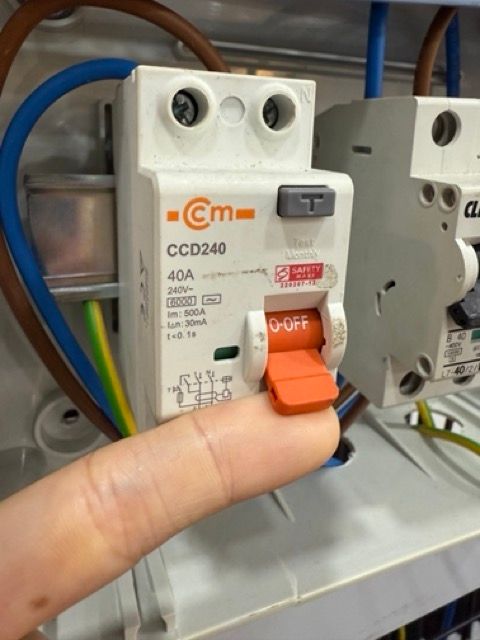
Step 4: Push the ELCB switch firmly up to ONEnsure a smooth, firm motion. Do not force it if resistance is felt
Step 5: Monitor for immediate retrip
If the ELCB trips again instantly, stop and do not attempt further resets. There is a live fault present.
After the Reset – What to Look For
Once the ELCB is back ON and stable, gradually turn your appliances back on. Watch for:
-
Unusual humming or crackling
-
Immediate power loss again
-
Inverter error messages
If all seems normal, your system is safe. If issues return, shut off power and call a professional.
When NOT to Reset the ELCB
Avoid resetting if you notice:
-
Moisture around the DB or inverter area
-
A burning smell or visible charring
-
Appliances submerged in water (e.g., during flood)
-
Repeated immediate tripping after reset These are high-risk scenarios that require inspection by a Licensed Electrical Worker (LEW).
Singapore Safety Guidelines for ELCBs
According to EMA (Singapore), ELCBs should be tested monthly using the "TEST" button on the device. All installations must follow SS 638 guidelines. SP Group advises residents not to modify or replace ELCBs without certification. Always engage a LEW for system testing or replacement.
How to Prevent ELCB Trips in Future
To reduce chances of future ELCB trips:
-
Keep outdoor sockets and DBs sealed against rain
-
Use waterproof grommets and IP-rated boxes for wiring
-
Avoid overloading sockets with multi-plug adapters
-
Perform annual inspection of appliance wiring and insulation
-
Replace aging solar gear and inverter components as advised
These steps are vital for long-term system safety in Singapore’s humid climate.