Power Trip Troubleshooting - Miniature Circuit Breaker (MCB)
A detailed guide to understanding and resolving MCB (Miniature Circuit Breaker) trips in your Singapore solar power system. Learn causes, reset steps, and when to call a professional.
Table of Contents
What is an MCB in a Solar System?
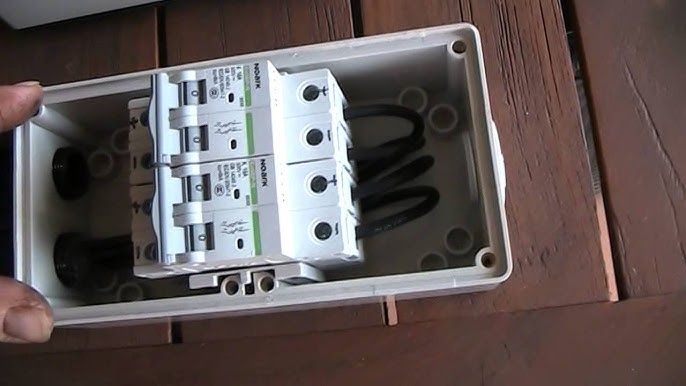
A Miniature Circuit Breaker (MCB) is a key safety component in your solar power system. It works by automatically disconnecting power whenever it detects an abnormal electrical flow, such as an overload or a short circuit.
In a solar installation, MCBs are typically installed on both the AC and DC sides to protect your inverter, home wiring, and appliances. These breakers are designed to reset manually, unlike fuses which must be replaced after tripping. Properly functioning MCBs are essential to prevent fires, equipment damage, or dangerous electrical faults.
What Happens When an MCB Trips?
When an MCB trips, it physically moves to the OFF position and cuts power to the connected circuit. In solar systems, this means your inverter may stop sending energy to the house or grid. You might notice lights flickering, the solar monitoring app going offline, or no power in certain sockets. MCBs trip as a protective response to a fault and not malfunctioning when they do this. It's a sign that the circuit needs to be checked before power is restored.
Common Reasons for MCB Tripping
Several common factors may cause MCBs to trip in Singapore:
-
Overload from appliances: Using air-conditioners, water heaters, and ovens at the same time may exceed your circuit's capacity
-
Short circuits: Damaged or exposed wires can trigger instant trips for safety
-
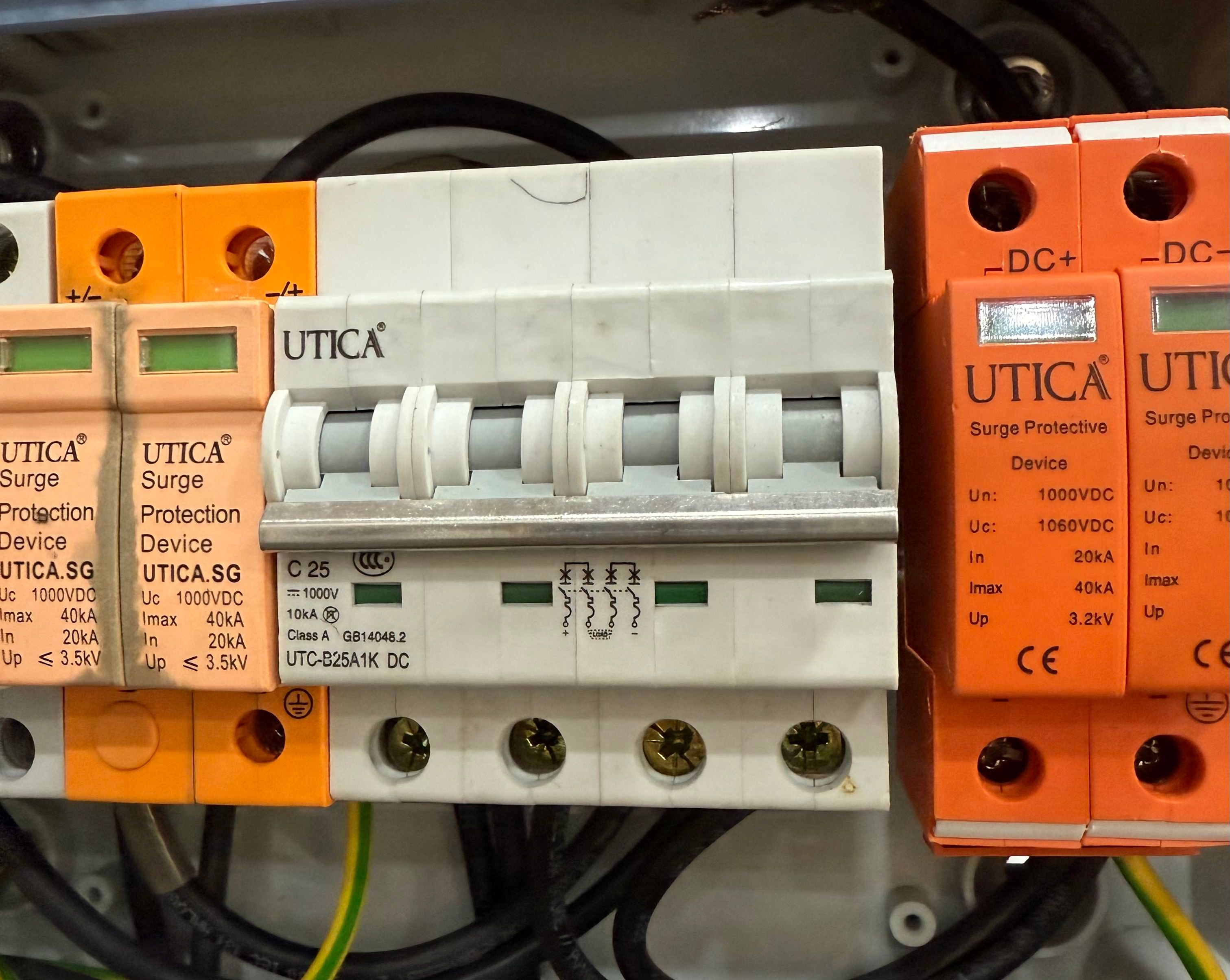
Lightning and surges: Frequent during thunderstorms, voltage spikes may trip the breaker
-
Humidity or moisture: Moisture inside the distribution board can lead to unintended conductivity and faults
-
Inverter faults: If your solar inverter malfunctions, it may cause irregular current that triggers a trip. Understanding these causes helps prevent future power trips and ensures safer system operation.
How to Reset a Tripped MCB in a Solar System
Step 1: Turn off all heavy appliancesSwitch off items like air-conditioners, electric kettles, and heaters. This prevents a surge when power is restored
Step 2: Open your distribution board (DB)Find your DB box, usually located in your utility area or near the main entrance
Step 3: Identify the tripped MCBIt will be in the OFF or middle position. Look for the label: "Solar", "PV", or similar
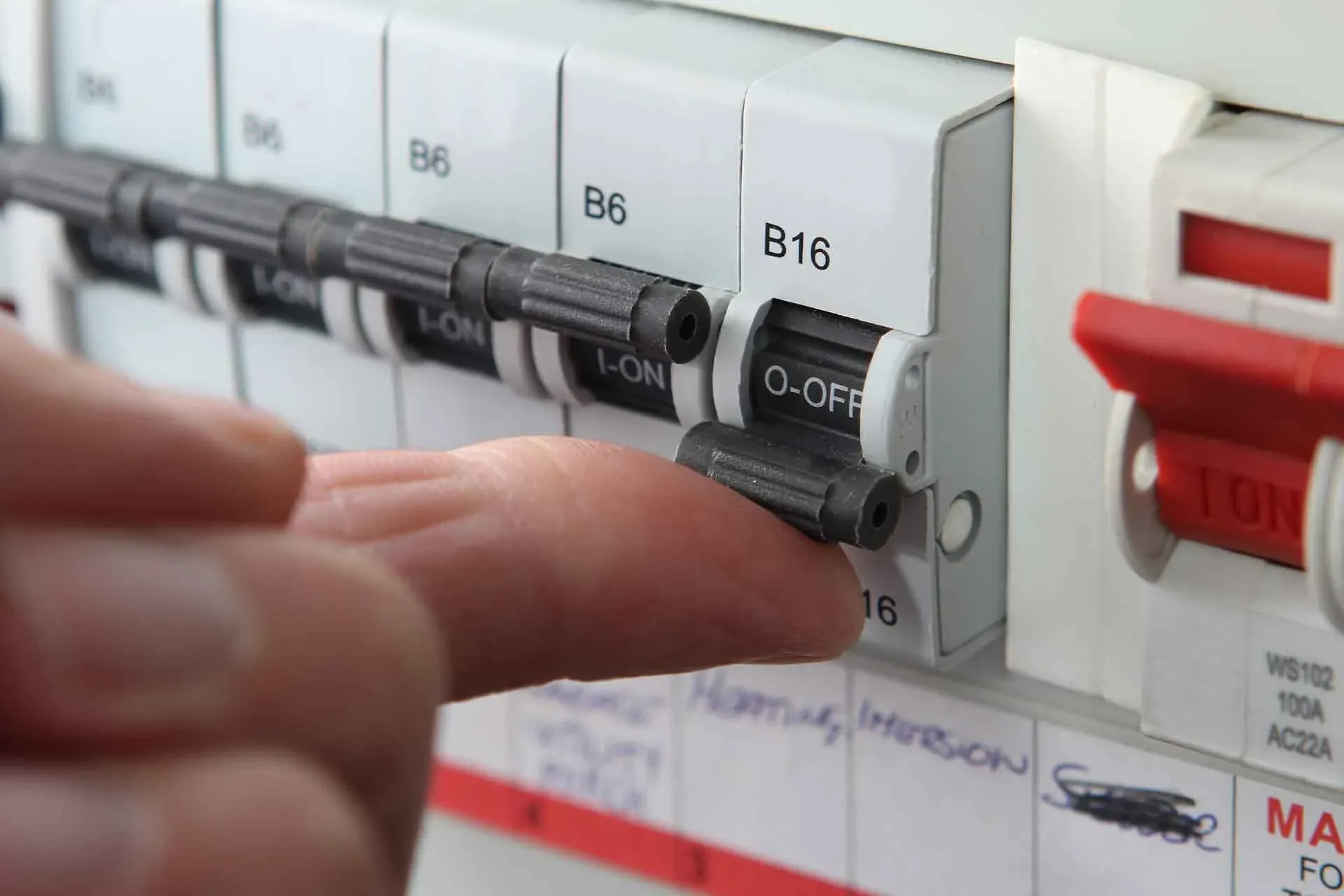
Step 4: Push the MCB fully OFFMake sure it clicks into the OFF position first. Skipping this may prevent a successful reset
Step 5: Wait 5–10 secondsAllow a short pause to stabilise the circuit
Step 6: Flip the breaker back ONPush it up firmly. If it holds, power is restored. If it trips again immediately, stop
Step 7: Gradually turn appliances back onMonitor if any one appliance causes a re-trip. This may help isolate the issue
What to Do After Resetting
After resetting the MCB, check your solar inverter. It may take 1–2 minutes to reboot and reconnect to the grid. Use your mobile app or the inverter display to confirm it is producing energy again. Look for a green light or normal status message. If the breaker holds and power is stable, your system is back online.
When NOT to Reset the Breaker
Do NOT reset the MCB if:
-
The breaker trips again immediately after reset
-
You see or smell signs of overheating (burn marks, melted plastic)
-
There's visible moisture or water ingress inside the DB box
-
Your inverter shows a persistent error. These are signs of deeper electrical faults. Continuing to reset under these conditions can cause fires or further damage.
It is advised to call a Licensed Electrical Worker (LEW) or your solar installer to investigate safely.
Singapore Safety Guidelines
In Singapore, all electrical systems must follow EMA's Code of Practice (SS 638). Repairs or modifications must be carried out by a licensed electrician.
SP Group recommends regular testing of RCCBs and warns against tampering with MCB ratings. Never bypass a breaker or upgrade it without proper assessment, as this can lead to cable overheating and safety risks.
How to Prevent Future MCB Trips
To prevent MCB trips in the future:
-
Spread high-power appliances across different circuits
-
Avoid using too many heavy-load devices at once
-
Keep your DB area dry, clean, and free of pests
-
Schedule annual servicing for your inverter and system
-
Install surge protection for lightning protection
These habits improve system reliability and reduce unnecessary disruptions.