Panel Soiling
Understand how dirt, dust, and debris buildup on solar panels can lower your energy production. This guide explains how to identify panel soiling issues, clean panels safely, and optimise performance for Singapore’s environment.
Table of Contents
How Dirty Panels Affect Solar Output
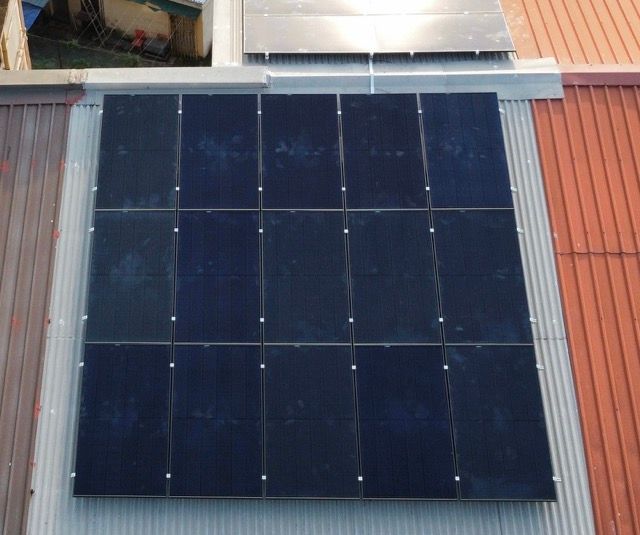
Panel soiling refers to the accumulation of dirt, dust, leaves, bird droppings, and other debris on your solar panels. This layer blocks sunlight and reduces the amount of energy your panels can generate. In Singapore’s humid climate, soiling can also include fungal growth or algae. Even light dust can reduce efficiency by 5 – 10%, and heavier buildup can result in more significant power loss.
Common Soiling Sources in Singapore
-
Bird droppings from nearby nests or rooftops
-
Tree sap, pollen, and falling leaves especially during rainy season
-
Dust from nearby roads or construction sites
-
Algae or mildew due to high humidity
-
Ash or debris from occasional open burning nearby
Panels located in high-traffic areas or near vegetation are most at risk.
How to Identify If Soiling Is Affecting Performance
Signs of soiling-related output drop include:
-
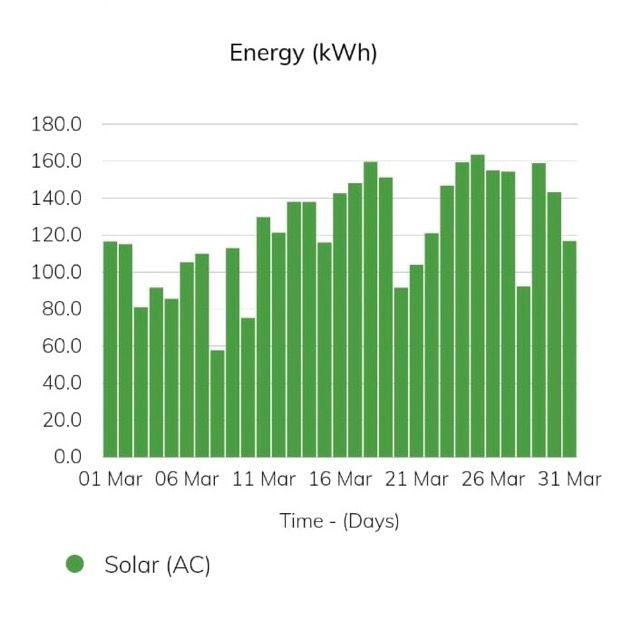
Overall system yield falling below monthly average
-
Specific panel strings underperforming in bright conditions
-
Visible spots or discoloration on the panels
-
Inverter logs showing voltage imbalance or reduced power
If you’re unsure, schedule a visual inspection from a technician.
How to Clean Your Solar Panels Safely
-
Clean panels in the early morning or late afternoon when they are cool
-
Use soft water, a sponge or microfiber cloth, and a non-abrasive brush
-
Avoid using soap, pressure jets, or harsh chemicals
-
Ensure water drains properly to avoid watermarks
If panels are hard to reach or require high-access gear, call a professional — or reach out to professionals like us for cleaning assistance. Regular cleaning every 3–6 months helps preserve system efficiency.
Preventive Maintenance Tips
-
Trim overhanging trees and clear nearby nests
-
Keep gutters and drains free to reduce water splash
-
Monitor inverter output regularly via mobile app
-
Include visual checks during annual solar servicing
-
Install bird spikes or covers if nesting is common
These steps help minimise the frequency of cleaning and extend your system’s lifespan.