Shading and Obstructions
Learn how shading and physical obstructions impact your solar panel performance. This guide explains how to detect shading issues in Singapore, assess panel exposure, and take steps to restore optimal energy output.
Table of Contents
Why Shading Matters for Solar Panels
Shading, even on a small portion of a solar panel, can significantly reduce energy production. Because panels are usually connected in strings, one shaded panel can affect the output of the entire array. In Singapore’s urban and landed environments, shading is often caused by nearby trees, buildings, antenna poles, or even bird droppings and dirt buildup over time.
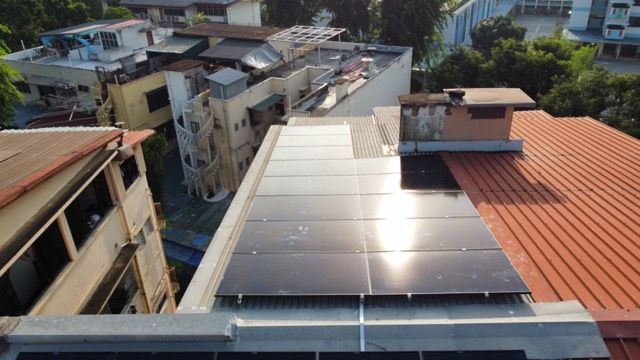
Common Causes of Shading in Singapore
In a tropical, densely built-up city like Singapore, these are the typical sources of shading:
-
Neighbouring buildings with higher rooftops
-
Tall trees along landed property fences
-
TV antennas, water tanks, and pipes mounted near panels
-
Seasonal growth of foliage that changes shading over time
-
Debris accumulation like fallen leaves or nests blocking panel surface
Regular rooftop checks help identify evolving shading issues early.
How to Detect If Shading is Affecting Performance
You may be affected by shading if you notice:
-
Lower-than-expected solar output during full sunlight hours
-
One string or MPPT input underperforming in your monitoring app
-
Inverter logs showing partial mismatch or clipping
-
A sharp energy drop after a certain hour (e.g. when shadow hits the panels)
Some monitoring apps allow panel-level visibility, making it easier to pinpoint the affected modules.
Mitigating Shading and Obstruction Issues
To reduce shading impact:
-
Trim or prune nearby trees blocking direct sunlight
-
Remove or relocate small rooftop items that cast shadows
-
Consider strategic relocation of panels if shade is unavoidable
-
Clean off bird droppings, dust, or debris regularly
-
Ask your installer if module-level optimisers or microinverters would help
Even partial changes can lead to improved performance across the system.
Long-Term Prevention Tips
-
Design panel layouts with minimum 20–30 cm spacing from fixed obstacles
-
Use simulation software during installation to anticipate future shading
-
Conduct semi-annual rooftop checks, especially after monsoon season
-
Engage a solar technician if performance drops are frequent or unclear
Preventing shading from the start is more cost-effective than correcting it later.