Commercial & Industrial Solar Installation
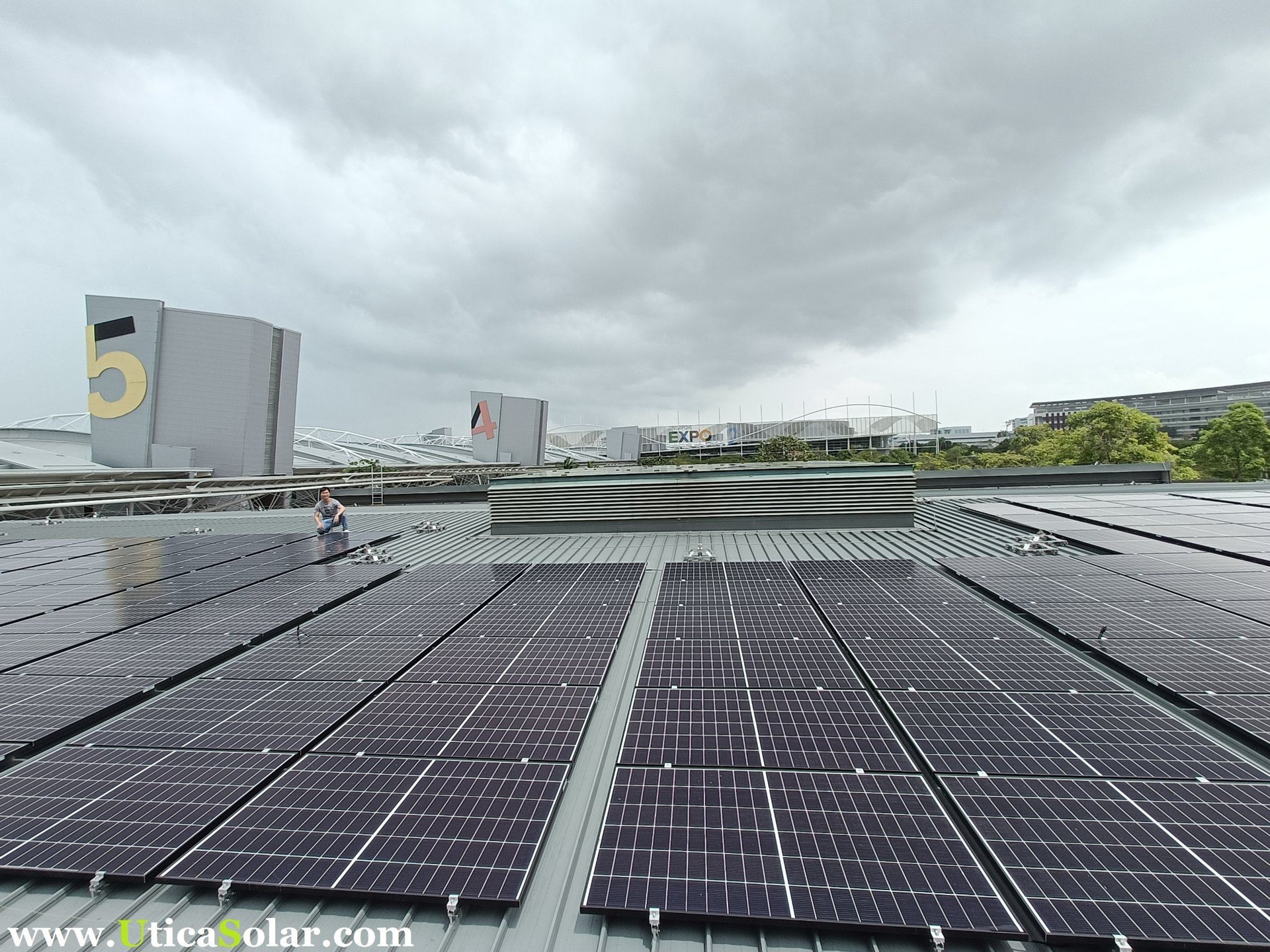
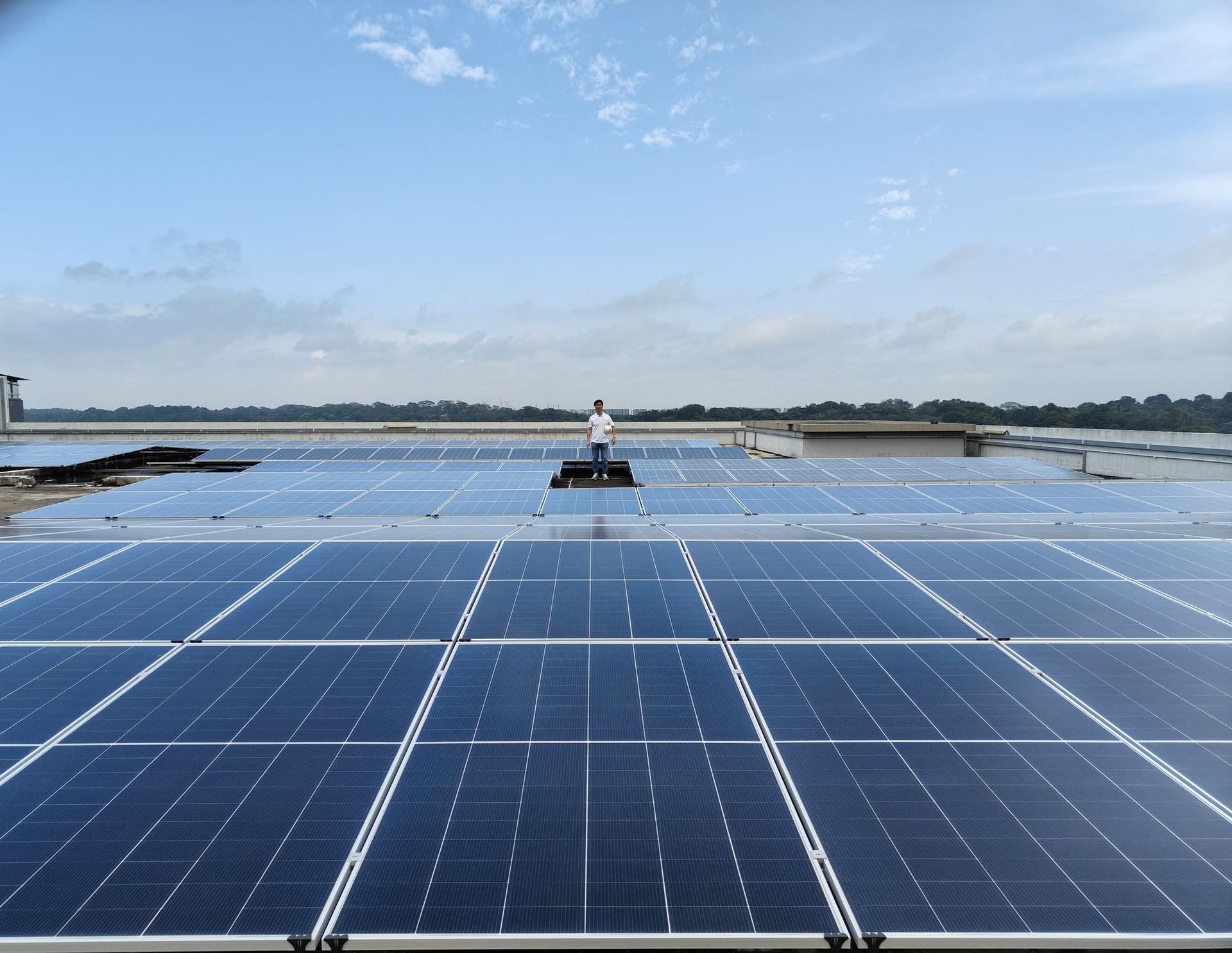
For many businesses, the rooftop is one of the largest unused assets on the property. By installing a properly designed solar photovoltaic system, this space can generate clean electricity that offsets a significant portion of daytime energy consumption.
Commercial and industrial solar installations in Singapore must be engineered specifically for local conditions. High humidity, elevated rooftop temperatures, and year round solar exposure influence system performance and equipment durability. At UTICA®, we design solar PV systems that are optimized for these conditions, ensuring stable long term performance rather than relying on theoretical datasheet figures.
Our commercial solar installations are commonly deployed on factories, warehouses, office buildings, and large commercial facilities. Each system is tailored to the building’s energy demand and roof characteristics to maximize efficiency and shorten ROI, helping businesses reduce operating costs, stabilise long term electricity expenses, and strengthen their environmental sustainability commitments.
With UTICA®, your business benefits from:
- Lower operating expenses by offsetting electricity consumption
- Faster returns through efficient system design and quality equipment suited for Singapore’s climate
- Stronger sustainability positioning aligned with Singapore’s national green energy goals
Whether you manage a factory, warehouse, or office building, our commercial solar systems are engineered to deliver more than just savings. They provide operational resilience, ESG credibility, and a future ready energy strategy that supports long term growth.
Tip: Hover or tap a card to preview the highlights. Click Learn More to see our workmanship standards, and how we protect & work on your roof, or go straight to inquiry at the bottom.
Need payment options? View solar financing.
Local conditions matter
Why Commercial Solar Systems Must Be Engineered for Singapore
Commercial and industrial solar installations in Singapore operate under demanding environmental and operational conditions. Strong year round sunlight, elevated rooftop temperatures, high humidity, and large roof spans all influence how solar PV systems perform over decades of operation.
Roof scale: Large industrial and commercial rooftops
Factories, warehouses, and commercial buildings often provide large uninterrupted roof surfaces that allow solar PV systems to be deployed at meaningful scale. Proper layout planning, structural evaluation, and mounting design are essential to maximise energy generation while maintaining long term roof integrity.
Energy demand: Daytime electricity consumption
Many commercial and industrial facilities operate primarily during daytime hours. This allows solar generation to offset a significant portion of electricity demand directly, reducing reliance on grid electricity and improving long term operating cost stability.
Structural considerations: Engineering for long term reliability
Large rooftop solar systems must account for structural loading, wind uplift, drainage paths, and existing building infrastructure. Proper engineering ensures that solar installations maximise efficiency while protecting roof structures and maintaining reliable system performance for decades.
Because of these factors, solar systems that appear similar on datasheets can perform very differently once installed on real commercial and industrial buildings. Careful system design, component selection, and installation standards are critical to maximise efficiency and shorten ROI for businesses adopting solar energy.
Typical System Sizes for Commercial & Industrial Solar Installations
Following an initial feasibility assessment, the system size is determined based on available roof area, electrical infrastructure, and the building's daytime electricity demand. In many commercial and industrial facilities across Singapore, large roof spans allow solar PV systems to be deployed at meaningful scale.
When properly designed, these installations can offset a significant portion of daytime electricity consumption while maintaining stable long term system performance.
| Building Type | Typical System Size | Annual Electricity Generation |
|---|---|---|
| Small commercial buildings | 50 kWp – 150 kWp | 65,000 – 200,000 kWh |
| Mid sized commercial facilities | 150 kWp – 500 kWp | 200,000 – 650,000 kWh |
| Large industrial facilities | 500 kWp – 2 MW+ | 650,000 – 2,600,000 kWh |
Actual system capacity depends on roof layout, shading conditions, structural considerations, and the building’s electricity consumption profile. During the design stage, UTICA® evaluates these constraints to develop a system configuration that maximises energy yield while ensuring structural safety and long term reliability.
Industries That Commonly Deploy Commercial Solar
Commercial solar systems in Singapore are widely adopted by businesses with large roof areas and consistent daytime electricity demand. Facilities that operate during daylight hours typically benefit the most from on-site solar generation.
- Manufacturing factories and processing facilities
- Logistics warehouses and distribution centres
- Commercial office buildings
- Hotels and hospitality developments
- Educational institutions such as schools and universities
- Healthcare facilities including hospitals and research centres
Typical Financial Returns for Commercial Solar
The financial performance of commercial solar installations depends on system size, electricity consumption patterns, and the building’s ability to utilise solar generation during daytime operations.
In many commercial and industrial facilities across Singapore, well designed solar systems achieve return on investment timelines of approximately 4 to 7 years.
With a typical operational lifespan of 25 to 30 years, solar installations allow businesses to benefit from decades of reduced electricity costs after the initial investment is recovered.
How Commercial Solar Projects Are Implemented
- Feasibility study including roof assessment and energy demand analysis
- Solar PV system engineering and layout optimisation
- Regulatory submission and grid connection approval
- Installation of panels, inverters, and electrical protection components
- Testing, commissioning, and monitoring system configuration
- Long term monitoring, maintenance, and performance evaluation
Common Questions About Commercial Solar Systems
How much roof space is needed?
Commercial solar installations typically require around 6 – 8 square metres of roof space for each kilowatt of installed capacity, depending on panel layout and roof geometry.
Will solar installation disrupt operations?
Most installations are carried out in phases to minimise disruption to normal business activities.
How long do commercial solar systems last?
Modern solar panels typically have performance lifespans exceeding 25 years, with gradual output degradation over time.
Solar consultation, showroom visits and support
Contact UTICA® Singapore
Speak with UTICA Solar about solar panel installation, solar PV system support, showroom appointments and renewable energy solutions in Singapore.
Book an appointment to visit our Solar Studio Showroom at 101 Kitchener Road, #01-22, Singapore 208511. You can use the form below or reach us directly at +65 6296 7787.
The same form can also be used for residential solar enquiries, commercial and industrial project discussions, maintenance requests, partnership enquiries and general support.
Something went wrong 😓