01
Available electrical capacity
The existing supply and distribution system determine whether the proposed chargers can be supported directly or whether load management or electrical upgrading should be considered.
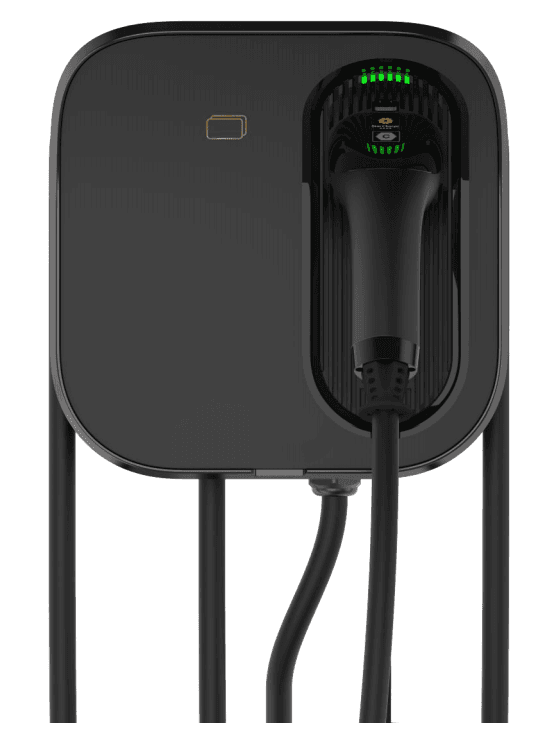
Electric vehicle charging
The future of transport is electric. And at UTICA®, we believe the way we charge matters as much as the way we drive. Solar-powered EV charging stations create the perfect synergy between two pillars of a low-carbon lifestyle: clean mobility and clean energy.
Electric vehicles reduce air pollution and eliminate tailpipe emissions. Solar energy provides renewable electricity directly from the sun. Together, they close the loop, enabling zero-emission driving powered by zero-emission energy.
By pairing EV chargers with rooftop solar systems, UTICA® ensures that every distance driven is backed by clean, sustainable power. This not only maximises environmental benefits, but also helps reduce reliance on fossil-fuel-generated grid electricity. For property owners, it means lower long-term charging costs, energy independence, and a visible commitment to sustainability.
Service options
Explore charging solutions for homes, workplaces, fleets and properties that may integrate charging with solar generation.

Need a payment or ownership option?
Review solar financing before deciding how to structure the project.
EV charging for homes and businesses
An EV charger becomes part of the property’s electrical infrastructure. Charger quantity, charging rate, vehicle use, available electrical capacity, cable routes and future expansion should therefore be considered before equipment is selected or installed.
01
The existing supply and distribution system determine whether the proposed chargers can be supported directly or whether load management or electrical upgrading should be considered.
02
A private vehicle, workplace car park and commercial fleet have different dwell times, charging priorities and utilisation patterns that influence charger selection.
03
Where solar generation is available, charging schedules and energy-management controls may help increase the use of electricity produced on site.
Project approach
The answer depends on the available electrical capacity, charger rating, expected simultaneous use and whether load-management controls are incorporated.
Yes. The amount of direct solar energy used for charging depends on when vehicles are connected, available solar generation and how the charging system is controlled.
No. The appropriate charging rate depends on vehicle compatibility, expected dwell time, electrical capacity, user requirements and the cost of any supporting electrical upgrades.
Start with the project details
Share the property type, number of charging points, vehicle usage and available electrical capacity for an initial review.
Solar consultation, showroom visits and support
Speak with UTICA Solar about solar panel installation, solar PV system support, showroom appointments and renewable energy solutions in Singapore.
Book an appointment to visit our Solar Studio Showroom at 101 Kitchener Road, #01-22, Singapore 208511. You can use the form below or reach us directly at +65 6296 7787.
The same form can also be used for residential solar enquiries, commercial and industrial project discussions, maintenance requests, partnership enquiries and general support.
We could not submit your enquiry. Please try again or contact UTICA® directly.